
South Knoxville Book Subscriber Campaign
Help Fund the Completion of a Groundbreaking New Book
on Historic South Knoxville and Receive Exclusive Swag!

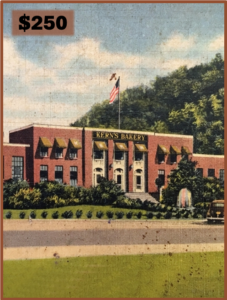

Please click amount to donate.
The campaign runs though August 15, 2026
Please note – when making your donation, there will be a box to place your name/names. If you do not wish to have your name listed, please type anonymous.
In late 2026, KHP will publish a new 200+ page, full-color, book on the history and culture of South Knoxville, the largest and perhaps least understood city sector. The book is being researched and written by Jack Neely and Paul James and designed by the award-winning team at Robin Easter Design.
Subscription Levels & Benefits
Subscriber: $125
Signed copy of the book
Your name in the subscribers’ list in the back of the book
Exclusive Historic South Knoxville Tote Bag
Two Historic South Knoxville 1.5” round magnets
Premier Subscriber: $250 – $1000
Show your love for KHP’s work by making a higher donation.
You’ll receive all of the benefits of the subscriber level and receive special recognition on our special Premier Subscribers page in the book!

The scope of the South Knoxville book is broad, taking in everything south of the Tennessee river to Tarklin Valley on the southern Knox-Blount County border, and east to the Sevier County line.
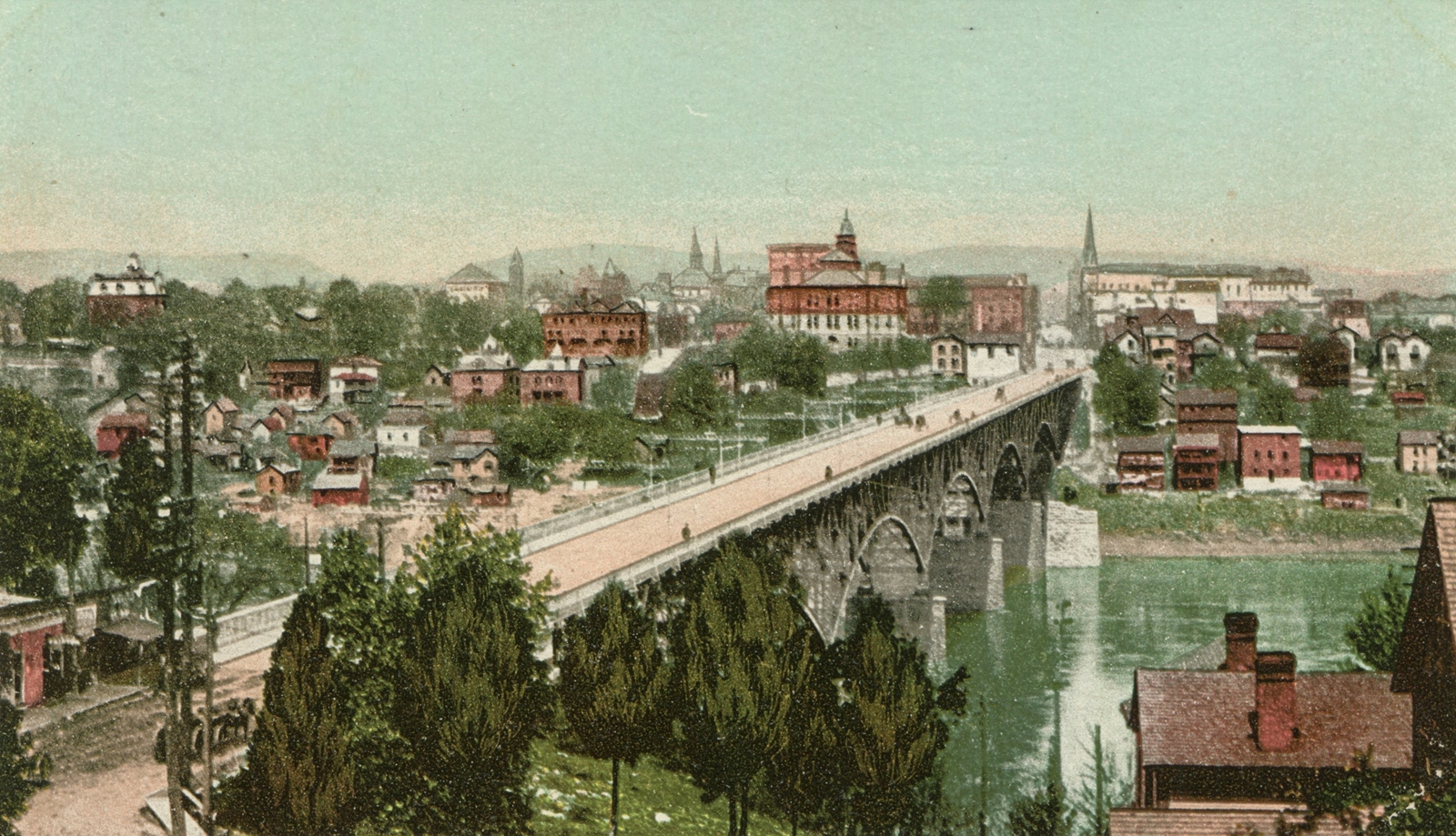 We’ll be covering the early years of the land that some settlers referred to initially as “Iredell” for the North Carolina home of founding father Captain James White and some South Knoxville pioneers. Officially outside of city limits until 1917, South Knoxville was known by many early residents simply as “South America.” During those early days, ferrymen like Alexander Cunningham and Jesse Simpson transported livestock, civilians, traders and politicians including first state governor John Sevier. These men and their services were in high demand during times when no reliable bridge spanned the Tennessee River.
We’ll look at durable businesses and industries that primarily developed alongside the river or the railroad, including the Drake Motor & Tire Manufacturing Co., Jefferson Woolen Mills, Jones Brickyard, Kern’s Bakery, D.M. Rose Lumber, Ross-Republic Marble Quarry, and Vestal Lumber. The remains of some of these sites still inform the southside landscape.
 While many businesses have vanished, others now have new leases on life, among them Loghaven, established by the tenacious Myssie Thompson, who in the 1930s created an unusual enclave of log cabins that attracted an often-bohemian set. The site has been converted by Aslan Foundation into an artist residency. In the 1930s and early ‘40s, off Chapman Highway above Ye Olde Steakhouse, German-born Alfred Clauss designed Little Switzerland, a cluster of five houses that has now been recognized as the first International Style modernist development in America.
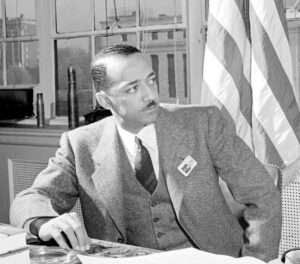
We’ll also be delving into the stories of African Americans such as Cal Johnson, owner of the southside racetrack where Suttee Landing Park is today; William Hastie, who grew up on Woodlawn Pike, and studied law before becoming America’s first Black governor (of the U.S. Virgin Islands) and who has a local natural area named after him; and Ben Maynard, a Martin Mill Pike farmer and florist.
We’ll also round up histories from all major neighborhoods, historic churches, cemeteries, schools, businesses, racetracks, Civil War Sites, and other notable sites across the landscape.
AUTHOR BIOS:
 Jack Neely, Lead Researcher and Writer: Founding executive director of the Knoxville History Project, Jack Neely is a longtime journalist, his award-winning column, “Secret History,” appeared in Metro Pulse for more than 20 years. He’s the author of numerous books about Knoxville’s distinctive history, including, Historic Knoxville: The Curious Visitor’s Guide, Historic Bearden: The 200 Year History of Knoxville’s Fourth Creek Valley, Knoxville’s Old City: A Short History, The Tennessee Theatre: A Grand Entertainment Palace, Market Square: The History of the Most Democratic Place on Earth, Knoxville, Tennessee: This Obscure Prismatic City, and many more. His work has been recognized by the Society of Professional
 Journalists, the Tennessee Library Association, the American Institute of Architects, Maryville College, and the University of Tennessee’s History Department.
Paul James, co-writer, photo researcher, project manager: Originally from the UK, Paul is the director of publishing and development for the Knoxville History Project, serving as editor and photo researcher for all KHP publications. Previously, he served as executive director for Ijams Nature Center for 12 years where, in 2010, he wrote a visual history book to celebrate the 100 anniversary of the Ijams family; and in 2022 co-authored Downtown Knoxville with Jack Neely – both titles through Arcadia Publishing. Paul wrote the KHP booklet, “Birth of a National park in the Smokies” in 2024, and has also written numerous articles for the Tennessee Conservationist, Smokies Life, and City Lifestyle magazines, and also writes the regular column “Ghost Walking the Streets of Knoxville” for InsideofKnoxville.org.
THANK YOU TO OUR SPONSORS
WE ARE DEEPLY GRATEFUL FOR YOUR SUPPORT.

Melinda Dempster Davis and John P. Davis

Jennie Ritchie




Sherry Wallace Barry
- PARTNERS
-

-

-

-

-

-